
Do LED Lights Damage Anime Figures?
LED lights are one of the most popular ways to upgrade an anime figure display. They make colors pop, add depth to shelves, and can turn an ordinary cabinet into something that feels closer to a gallery setup. But many collectors eventually ask the same question: do LED lights damage anime figures over time?
The short answer is that LED lights are generally much safer than older lighting options, but they are not completely risk-free. Heat, light intensity, exposure duration, and placement still matter. If your goal is to protect PVC and resin figures while keeping your display attractive, the smartest approach is controlled lighting rather than constant lighting.

Why Collectors Worry About Light Damage
Collectors usually worry about two kinds of damage: fading and material aging. Figure paint can slowly lose vibrancy when exposed to strong light for long periods, and some plastics may become more brittle as they age under poor display conditions. This concern is not misplaced, because sunlight and high-heat bulbs really can speed up deterioration.
The good news is that LED lighting is far less aggressive than direct sunlight, halogen bulbs, or incandescent bulbs. LEDs produce less heat and usually emit very low ultraviolet output compared with older lighting types. That makes them a much better choice for long-term anime figure display protection.
Are LED Lights Safe for PVC and Resin Figures?
In most home display setups, yes. LEDs are considered the safest mainstream lighting option for anime figures because they combine low heat with efficient brightness. Most figure damage blamed on LEDs actually comes from poor setup choices such as placing the strip too close to the figure, using overly intense lighting for long periods, or combining LEDs with other risk factors like strong daylight.
PVC figures are fairly durable, but they still do best in stable conditions. Resin statues can be even more sensitive to environmental stress depending on paint finish, seams, and adhesive points. Even when the light source is relatively safe, it is still smart to avoid unnecessary long exposure every day.
What Makes LEDs Better Than Other Bulbs
A few reasons make LEDs the default recommendation for figure collectors:
- they produce much less heat than incandescent or halogen bulbs
- they usually emit minimal UV compared with sunlight
- they are easier to position in cabinets and shelves
- they are available in lower brightness and softer color temperatures
- they make it easier to build a controlled display environment
That does not mean every LED setup is automatically safe. Cheap strips can run hotter than expected, and poorly ventilated cabinets can trap warmth over time.
The Real Risk: Heat, Intensity, and Exposure Time
When people ask whether LED lights damage anime figures, the more accurate question is whether the overall lighting setup is too harsh. Figure materials usually do not react to a brief evening lighting session. Problems become more likely when figures are exposed for many hours every day, especially in enclosed spaces.
Three factors matter most:
1. Heat Buildup
Even low-heat LEDs still generate some warmth. If the strip is mounted very close to the top of a figure or inside a tight cabinet with poor airflow, localized heat can build up. Over a long enough period, that may contribute to softening, leaning, tackiness, or stress around delicate parts.
2. Brightness and Distance
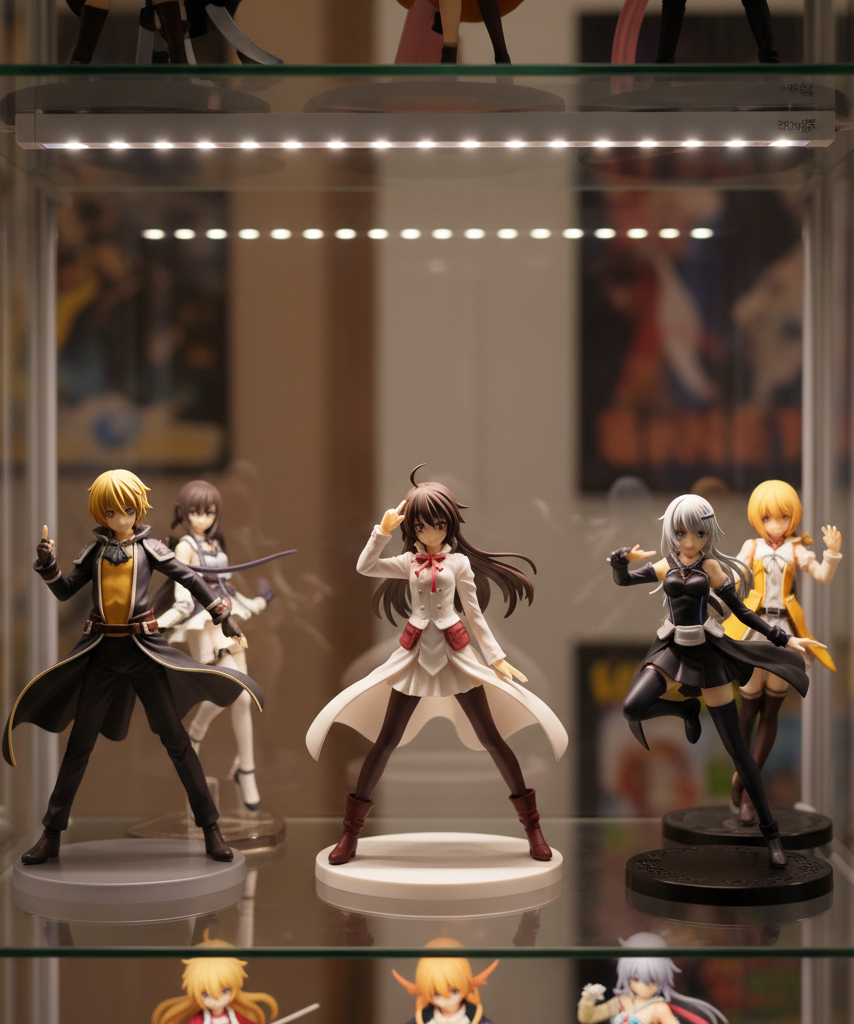
Very bright LEDs placed just a few centimeters from a figure can create unnecessary stress. Strong direct lighting is harsher than soft indirect lighting. Diffused LED bars or strips usually work better than exposed hotspots pointed directly at figure faces or painted surfaces.
3. Daily Exposure Duration
If your display lights stay on twelve to sixteen hours a day, the cumulative effect matters more than the fact that the bulbs are LEDs. Even a relatively safe light source becomes a bigger issue when the exposure window is excessive. Timers and smart plugs are simple ways to reduce this risk.
Can LED Lights Fade Figure Paint?
They can contribute to fading over a very long period, but they are rarely the main threat in a collector room. Sunlight is the bigger enemy by far. Direct or repeated window exposure introduces much stronger UV and heat than ordinary LED shelf lighting.
If your anime figures are away from direct sun and lit by moderate LEDs for reasonable periods, paint fading should be slow and limited. Collectors who notice serious fading are often dealing with mixed causes such as sunlight, strong room lighting, high temperature, and years of exposure.
Best Practices for LED Figure Display Protection
If you want the visual benefits of display lighting without unnecessary risk, these habits make the biggest difference:
Use Soft, Moderate Brightness
Choose LED strips or bars that make the figures visible without blasting them. In most cases, you do not need showroom-level brightness. A softer setup often looks better anyway because it reduces glare on plastic windows, acrylic doors, and glossy paint.
Keep Lights Slightly Away from the Figures
Leave some distance between the LEDs and the figure surfaces, especially for taller statues or figures with raised accessories. Do not press strips directly against the ceiling of a tiny cabinet if the top of the figure nearly touches the light source.
Avoid Constant 24/7 Lighting
There is rarely a good reason to keep anime display lights on all day and night. Use them when you are in the room, when guests are over, or during specific evening hours. Lower exposure means lower long-term risk.
Control Sunlight First
If your display gets direct sun, fixing that matters more than optimizing the LED strip. Use curtains, UV-filtering film, or move the shelf entirely. Many collectors obsess over LEDs while the real damage is coming from the window.
Monitor Cabinet Temperature
If a cabinet feels warm inside after the lights have been on for a while, that is a sign to reduce brightness, improve airflow, or shorten lighting time. Stable room temperature is one of the best protections for anime figures.
Are Warm White or Cool White LEDs Better?
Both can work, but many collectors prefer neutral white or soft warm white because they flatter paint colors without looking harsh. Extremely cool blue-white LEDs can make a display feel sterile and can exaggerate reflections. Warm white often creates a more premium showcase look, while neutral white is useful if you want colors to appear cleaner and more balanced.
From a preservation perspective, the difference is usually less important than brightness, distance, and total time on.
Signs Your Lighting Setup May Be Too Aggressive
Take a closer look at your setup if you notice:
- the cabinet interior feels noticeably warm
- figures near the light source look glossier or tackier than before
- a leaning figure worsens over time near the lit area
- paint looks uneven compared with older photos
- the display is illuminated all day every day
These signs do not automatically prove LED damage, but they are worth treating as warnings to reduce stress on the collection.
Final Answer: Do LED Lights Damage Anime Figures?
LED lights can damage anime figures if they are too hot, too bright, too close, or left on for excessive periods, but in normal collector use they are one of the safest lighting options available. The bigger dangers are still direct sunlight, trapped heat, and long-term overexposure.
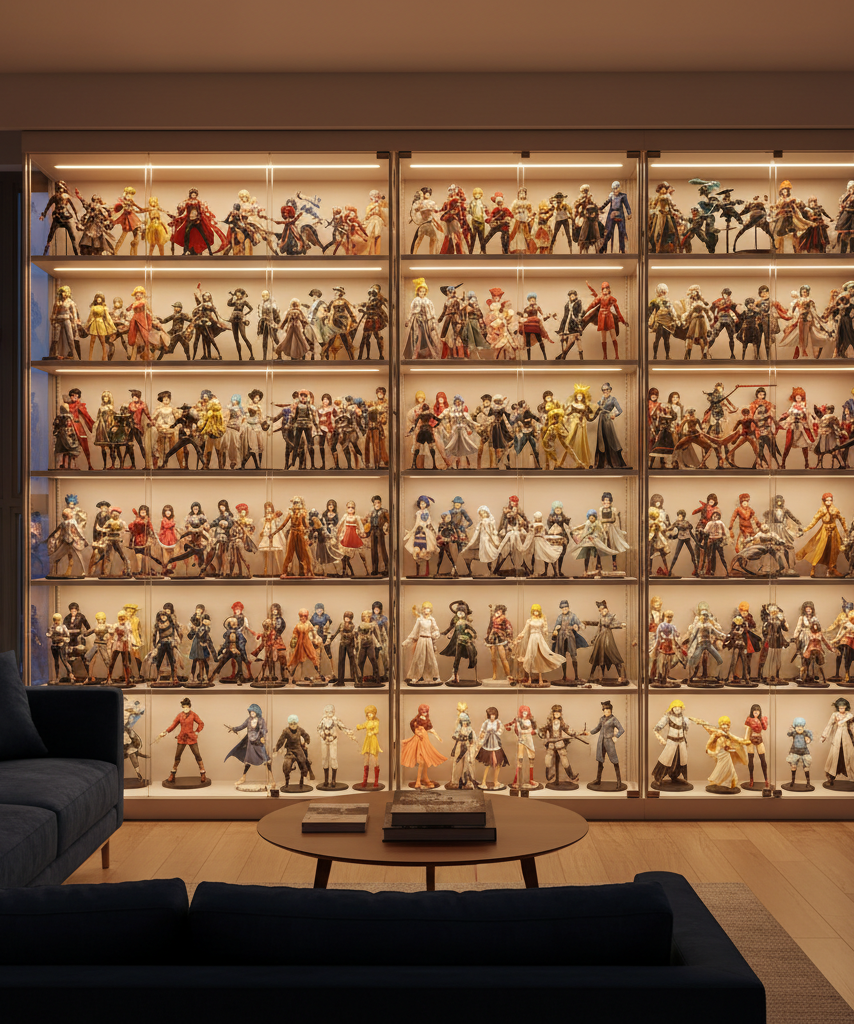
If you want to protect anime figures from dust and light-related wear at the same time, the ideal setup is a closed or semi-closed display with moderate LED lighting, limited daily runtime, and no direct sun. That gives you the best balance between presentation and preservation.