
Direct sunlight can absolutely fade anime figures over time, and even bright indirect sunlight can slowly dull paint, yellow clear plastics, and reduce the crisp finish collectors pay for. If you display figures near windows, the real question is not whether sunlight can cause damage, but how much light exposure your collection gets each day and how long that exposure continues.
For most collectors, sunlight damage happens gradually rather than all at once. A figure will not usually look ruined after a single afternoon on a shelf, but months of repeated UV exposure can lead to visible color loss, uneven fading on one side, and aging in transparent parts such as effect pieces, visors, and display bases. Understanding the difference between direct and indirect light is the key to protecting long-term display quality.
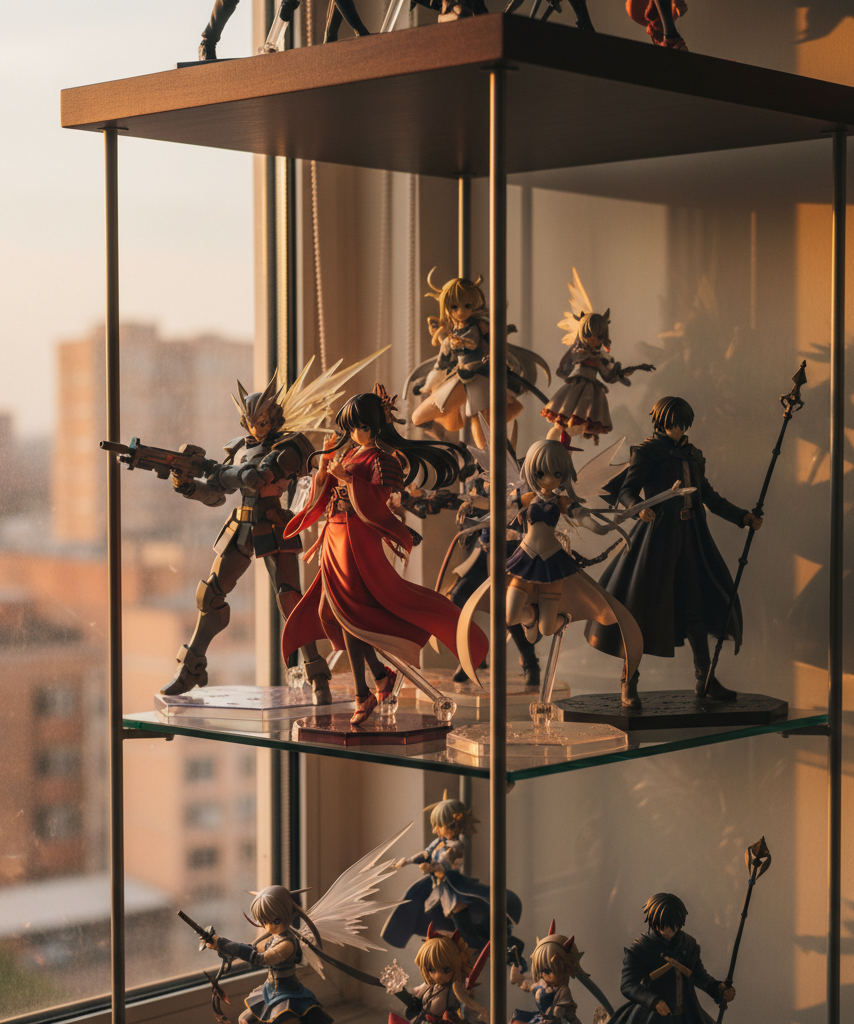
Can Sunlight Really Damage Anime Figures?
Yes. Sunlight can damage anime figures because it combines light, heat, and ultraviolet exposure in a way that slowly breaks down surface finishes and some plastics. The risk is highest with direct sun hitting the same display spot day after day, but indirect daylight can still matter in bright rooms over long periods.
Collectors often ask, do anime figures fade in sunlight, especially when a figure looks fine at first. The tricky part is that anime figures sunlight damage is cumulative. You may not notice anything for weeks, then one day a white outfit looks creamier, a bright red accent appears slightly washed out, or a formerly crystal-clear effect part starts looking warm or yellowed.
Common sunlight-related problems include:
- faded paint on exposed surfaces
- uneven color change when one side faces the window
- yellowing in clear PVC or ABS parts
- dulling of glossy or satin topcoats
- extra heat stress in tightly sealed display cabinets near windows
The more expensive or visually subtle a figure is, the more frustrating this can be. Fine gradients, soft skin tones, metallic finishes, and transparent parts tend to show aging more obviously than darker or heavily textured designs.
Direct vs Indirect Sunlight
Direct sunlight is the biggest risk. This means the sun’s rays actually land on the figure or display cabinet during part of the day. Even one or two strong hours of direct exposure every afternoon can be enough to create visible long-term wear.
Indirect sunlight is weaker, but it is not harmless. If a room is bright for most of the day, figures can still be exposed to meaningful ambient UV and heat. A shelf across from a large south-facing window may never get a sharp beam of sun, yet it can still receive enough light to slowly affect sensitive materials.
Why Direct Sunlight Causes Faster Damage
Direct light delivers concentrated brightness and usually more heat. That combination speeds up paint fading and material aging. Window glass can reduce some UV, but it does not eliminate the risk entirely, especially if the figure is displayed in a consistently bright spot.
Typical direct-sun scenarios include:
- a bookshelf beside an uncovered window
- a figure case that catches morning sun in a bedroom
- a desk display that gets late afternoon light from the side
- a top shelf near a skylight or balcony door
In these setups, anime figures sunlight damage often appears first on the upper surfaces or the side facing the window.
Why Indirect Sunlight Still Matters
Indirect daylight is more of a slow-burn problem. A figure can sit in a bright living room for a year without obvious damage, then start showing mild discoloration. This is especially common with white, pastel, translucent, and clear parts.
If you are wondering whether anime figures sunlight is dangerous in a room with sheer curtains, the answer is still yes over time, just usually at a slower rate than direct exposure. Think of it as wear you can postpone rather than fully ignore.
Which Materials and Finishes Are Most Vulnerable
Not every figure reacts the same way to light. Material quality, paint chemistry, clear coating, pigment choice, and display position all affect the result. That said, some materials and finishes are consistently more vulnerable.
Painted PVC and ABS Surfaces
Most scale figures and prize figures use painted PVC and ABS parts. These can fade gradually when exposed to enough sunlight, especially bright colors and delicate gradients. For shoppers exploring this further, see scale figures category. Skin shading, blush details, and finely airbrushed sections may lose depth before darker areas do.
Risk is higher when the figure has:
- bright red, pink, orange, or purple accents
- white costumes or pale pastel paint
- smooth large surfaces with little sculpted texture
- premium shading meant to create subtle depth
Clear and Translucent Plastics
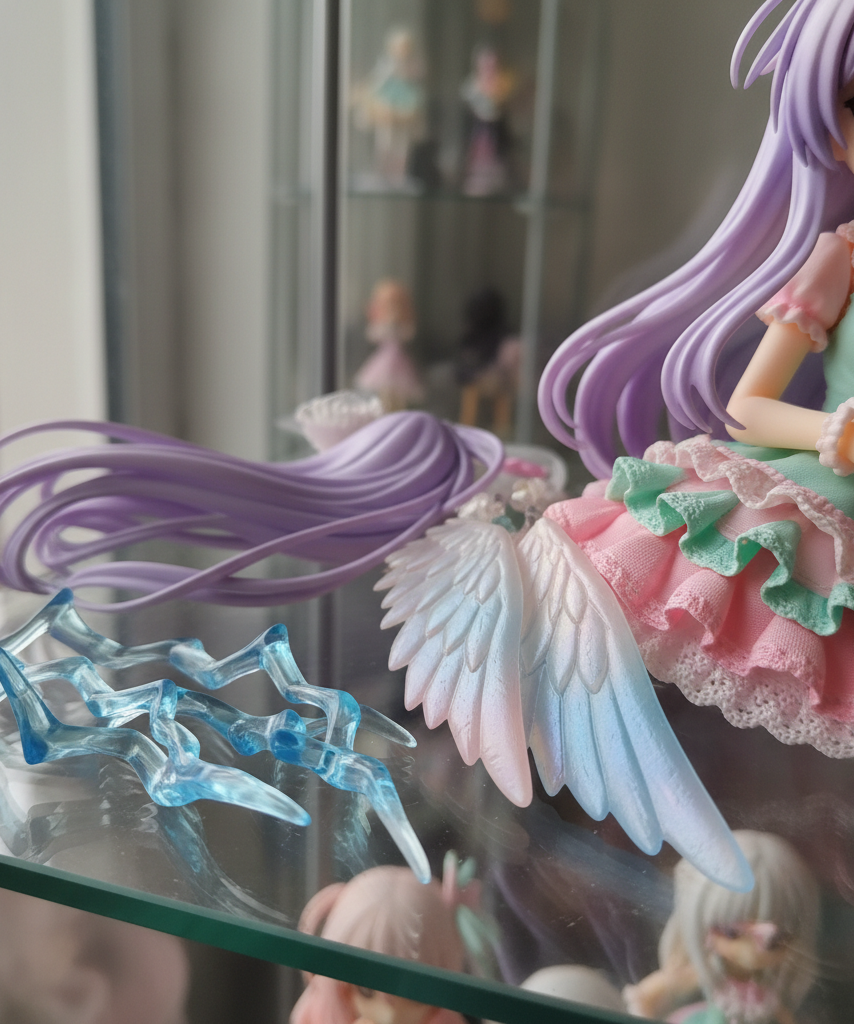
Clear effect parts, visors, water splashes, wings, magic effects, and display stands are often the most visibly affected by light exposure. These pieces can yellow, cloud, or lose the crisp transparent look that makes them attractive in the first place.
For collectors who display figures with energy bursts or glossy translucent accessories, this is one of the biggest reasons to avoid bright windows.
Glossy, Metallic, and Special Finishes
Glossy coats and metallic paint can also suffer in sunlight. Instead of obvious fading, the first change may be reduced richness or a slightly tired finish. Pearl effects, metallic trims, and darker glossy surfaces can start to look flatter after prolonged exposure.
Cheap or Older Materials
Lower-cost figures, older prize figures, or items from uncertain storage conditions may age faster. If a figure has already spent time in sunlit retail shelves, poor warehouse conditions, or hot shipping environments, your home display conditions can push it further.
Safer Display Locations and Protective Habits
The safest place for anime figures is away from windows, away from repeated direct sun, and in a room with stable temperature. For shoppers exploring this further, see enclosed display cases. You do not need to turn your home into a cave, but you do need to avoid the brightest high-risk spots.
Best Places to Display Figures
Safer placement options include:
- interior walls that never receive direct sun
- shelves in rooms with blackout curtains or light-filtering blinds
- display cabinets positioned perpendicular to windows instead of facing them
- corners of a room where daylight is present but not intense
- office or hobby rooms with controlled artificial lighting
If possible, stand where the figure sits and check the spot at morning, midday, and late afternoon. For shoppers exploring this further, see protect figures from heat and humidity. Many collectors only test one time of day and miss a strong sunbeam that appears later.
Protective Habits That Actually Help
Good protection is mostly about reducing repeated exposure.
Useful habits include:
- keep figures out of direct window light
- use UV-filtering curtains, blinds, or window film
- rotate especially sensitive figures if a room stays bright
- use enclosed cabinets to reduce dust and slightly soften ambient light
- avoid placing dark cabinets or acrylic cases where heat builds near glass
- inspect white and clear parts every few months for early changes
These steps will not make anime figure sunlight damage impossible, but they dramatically slow it down. For shoppers exploring this further, see do LED lights damage figures.
Realistic Room Scenarios
A figure shelf in a bright studio apartment often needs more protection than a shelf in a dim hallway. Likewise, a glass cabinet near a west-facing window is riskier than an open shelf on an interior wall.
Here is a practical way to judge a room:
- If sunlight visibly travels across the shelf, the risk is high.
- If the room stays bright all day but the shelf is never hit directly, the risk is moderate.
- If the display area relies mostly on artificial light and occasional soft daylight, the risk is relatively low.
This plain-language approach is usually more useful than obsessing over exact UV numbers, because most collectors need a room decision, not lab data.
How Long Does It Take for Figures to Fade?
There is no single timeline. Some figures in harsh direct light can show noticeable change within months, while others in mild indirect light may stay acceptable for years. Factors include window direction, season, climate, room heat, material quality, and the figure’s color palette.
As a rule, long daily exposure is the problem. The more often a figure receives the same light, the more likely damage becomes. Collectors who want to preserve resale value or original finish quality should assume that prevention is easier than reversal, because once fading or yellowing appears, it is rarely fixable.
Final Answer: Should You Keep Anime Figures in Sunlight?
No. You should not intentionally display anime figures in sunlight, and collectors should be cautious even with bright indirect daylight. If your goal is to preserve paint, clear plastics, and long-term display quality, keep figures out of direct sun and choose a lower-light placement whenever possible.
For most homes, the best compromise is simple: enjoy natural light in the room, but place the figures where that light does not repeatedly strike them. That one decision goes a long way toward keeping your collection looking sharp for years.