
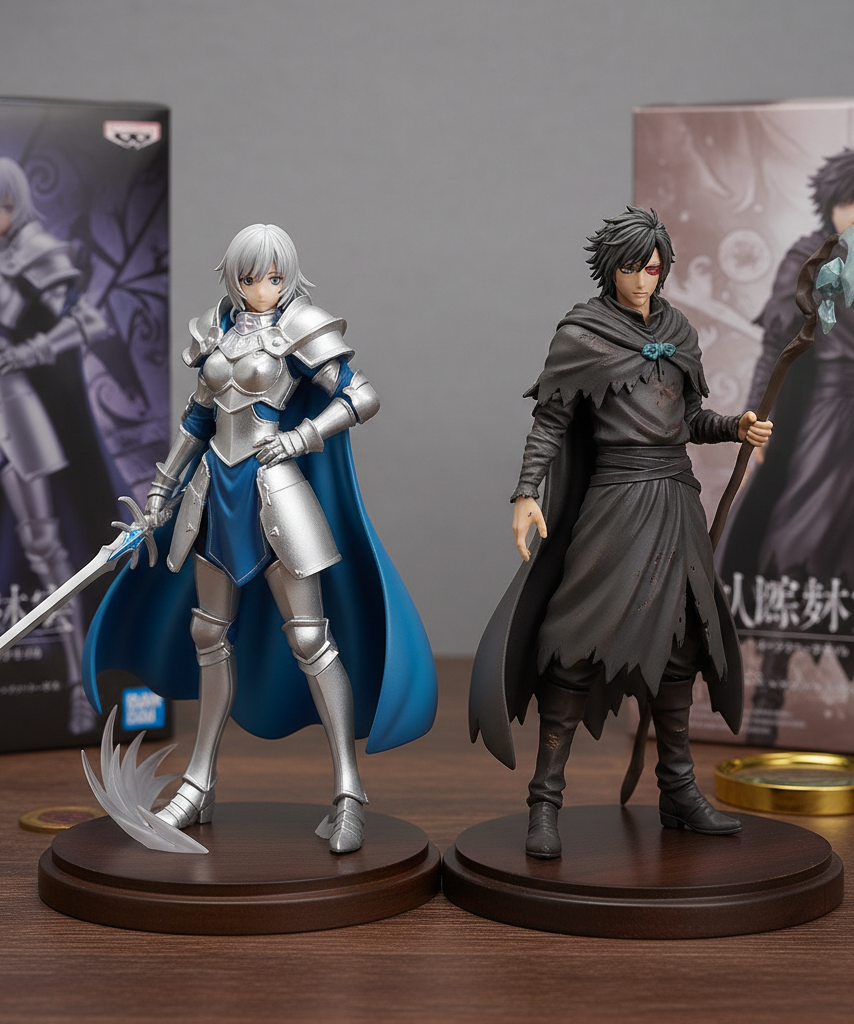
Bootleg vs Authentic Anime Figures: 7 Signs Collectors Should Check
If you have ever paused over a listing and wondered whether the price is a lucky break or a trap, you are not alone. The bootleg vs authentic anime figures problem keeps catching new collectors because many fake listings now borrow official photos, copy product names, and mimic brand packaging well enough to look convincing at first glance.
The good news is that you usually do not need laboratory-level expertise to spot the difference. In most cases, comparing a few specific details side by side will tell you whether a figure is likely authentic or whether you are looking at a bootleg anime figure. This guide breaks the process into a simple checklist so you can evaluate sculpt quality, paint work, packaging, seller behavior, and overall risk before you buy.
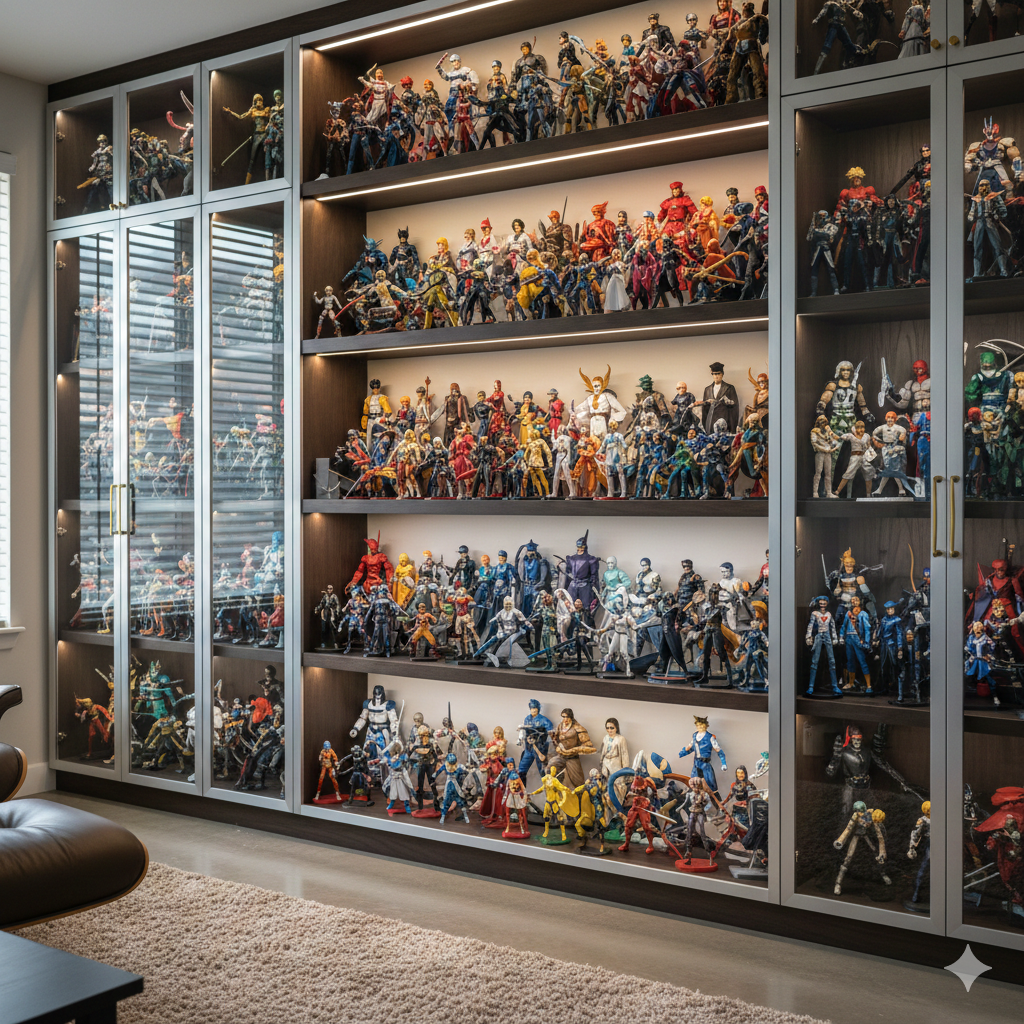
Why Bootlegs Keep Fooling New Collectors
A fake vs real anime figure comparison is harder than it used to be for three simple reasons:
- bootleg sellers reuse official promotional photos
- marketplace listings often hide flaws with heavy filters or poor lighting
- beginners may not yet know what authentic manufacturing quality should look like
That is also why understanding the bootleg anime figure meaning matters. In collector terms, a bootleg is an unauthorized copy of an officially released figure. It may imitate the character, pose, scale, and box design of the original, but it is not produced by the licensed manufacturer. That usually shows up in weaker sculpting, rough paint, unstable assembly, and lower-grade materials.
7 Comparison Points to Check
1. Price That Looks Too Good to Be True
The fastest red flag is still the price. Authentic scale figures, prize figures, and limited releases have fairly predictable market ranges. For shoppers exploring this further, see scale figures. If a listing is dramatically below the normal price while claiming the item is brand new and authentic, treat it as suspicious.
Check these points before trusting a bargain:
- compare the price against multiple established hobby stores
- look at sold listings, not just current asking prices
- factor in whether the figure is out of print or hard to find
A low price alone does not prove a figure is fake, but in a bootleg vs authentic anime figures comparison, extreme underpricing is often the first warning sign that something is wrong.
2. Sculpt Details and Proportions
Authentic figures usually preserve fine details that bootlegs struggle to reproduce. Hair strands, hand shapes, clothing folds, accessories, and facial proportions often reveal the truth quickly.
When you compare photos, look for:
- softened or mushy edges on hair and costume details
- uneven eyes or distorted facial expression
- awkward body proportions that do not match official images
- bent weapons, warped bases, or badly fitted parts
Bootleg manufacturers often copy the overall silhouette well enough for thumbnails, but the small details collapse under closer inspection. If the face looks vaguely off, trust that instinct and examine more closely.
3. Paint Quality and Color Accuracy
Paint is one of the easiest ways to tell how to tell bootleg anime figures apart from authentic releases. Official manufacturers generally keep cleaner lines, smoother gradients, and more intentional shading.
Common bootleg paint issues include:
- sloppy edges where skin meets clothing
- glossy skin when the official version has a softer finish
- flat colors with little shading depth
- obvious paint bleed on eyes, trim, or tiny accessories
- colors that are too dark, too saturated, or simply wrong
In a fake vs real anime figure comparison, the original usually looks more balanced and deliberate, while the fake tends to look louder, rougher, or strangely plastic.
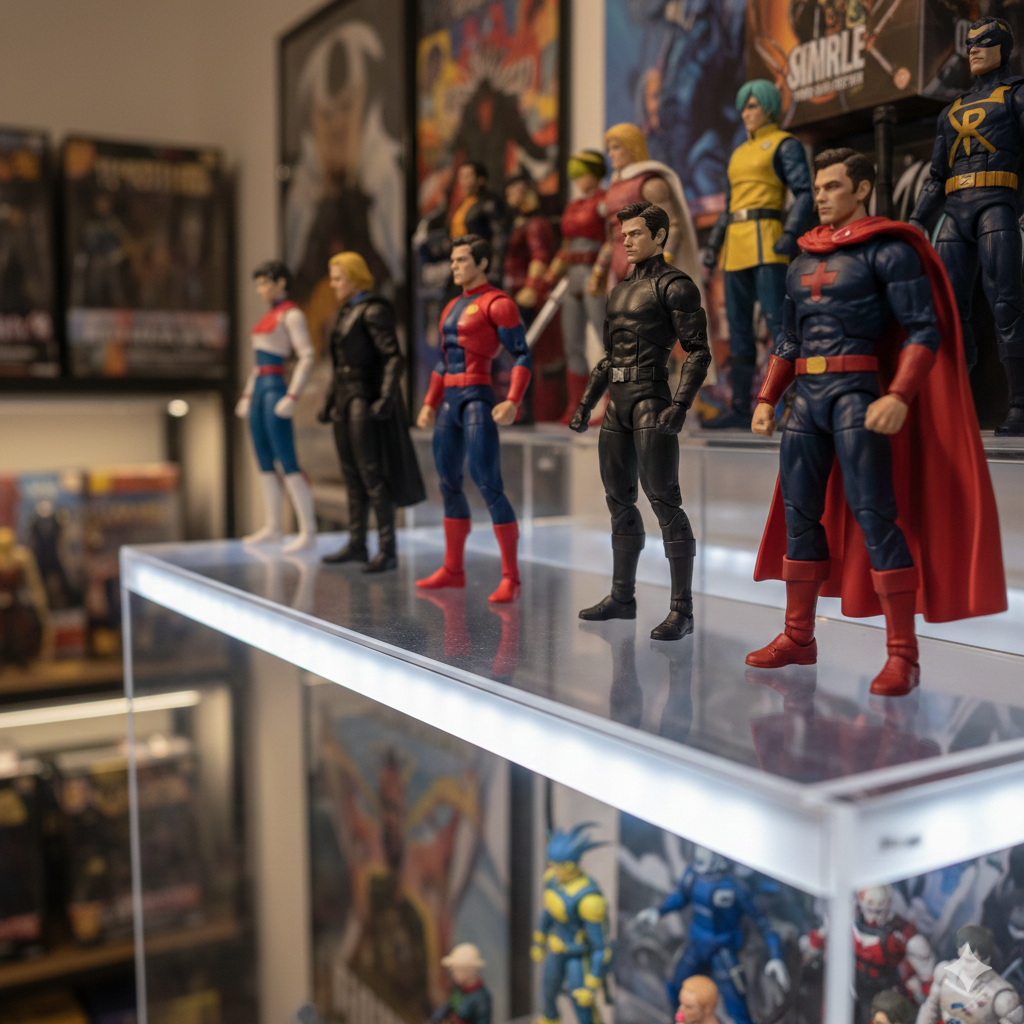
4. Packaging Quality and Box Printing
Packaging is not just decoration. It is one of the best clues available when the seller shows real photos instead of stock images. Authentic figure boxes tend to have sharper printing, sturdier cardboard, cleaner plastic windows, and consistent branding elements.
Watch for packaging problems such as:
- blurry character art or faded colors
- misspellings, strange spacing, or awkward grammar
- missing manufacturer logos or licensing marks
- poor cardboard quality or thin window plastic
- seals that look uneven, replaced, or unusually cheap
A bootleg box may imitate the general layout of the original, but small print quality issues usually give it away.
5. Manufacturer, Licensing, and Release Info
Legitimate anime figures leave a paper trail. You can usually verify the manufacturer, release date, scale, and sometimes JAN or product codes through trusted stores or figure databases.
Before buying, cross-check:
- the exact manufacturer name
- whether the character and pose match a real release
- scale and height measurements
- release date and known rereleases
- included accessories and base style
If the seller cannot identify the brand clearly, or if the figure appears to be a mashup of official product details that do not belong together, that is a strong sign you may be dealing with a bootleg.
6. Seller Photos, Angles, and Behavior
When learning how to tell bootleg anime figures apart from real ones, seller behavior matters almost as much as the object itself. A trustworthy seller should be able to provide clear, recent photos of the actual figure and box from multiple angles.
Be extra careful if the listing:
- uses only promotional images
- avoids close-ups of the face, base, and box corners
- crops out logos or bottom-of-box labels
- gives vague answers about origin or manufacturer
- claims authenticity but refuses simple verification photos
Authentic sellers are usually comfortable showing detail shots because those details support their claim. Evasive sellers often know the item will not survive scrutiny. For shoppers exploring this further, see how to tell if a figure is fake.
7. Material Quality, Stability, and Finish
Even when a fake looks passable in photos, the physical build often exposes it. Bootlegs commonly use lower-grade PVC, weaker joints, and less stable bases.
Signs to watch for include:
- visible seams or rough mold lines
- strong chemical or oily plastic smell
- sticky surfaces or unusually soft parts
- pegs that do not fit cleanly
- leaning, wobbling, or poor balance on the base
Authentic figures are not perfect every time, but the overall assembly usually feels more solid and intentional. A figure that feels flimsy or badly aligned is often not the real thing.
When Photos Are Not Enough
Sometimes the listing images are simply too limited to make a confident call. That is when buyers should slow down instead of guessing. Ask for:
- a front close-up of the face
- a side profile of the sculpt
- a photo of the box front and back
- a close-up of licensing or manufacturer markings
- a picture of the base and any included parts
If the seller cannot provide those, the risk goes up. In a true bootleg vs authentic anime figures decision, missing evidence is evidence. You do not need to prove the figure is fake beyond all doubt; you only need to decide whether the risk is acceptable for your money.
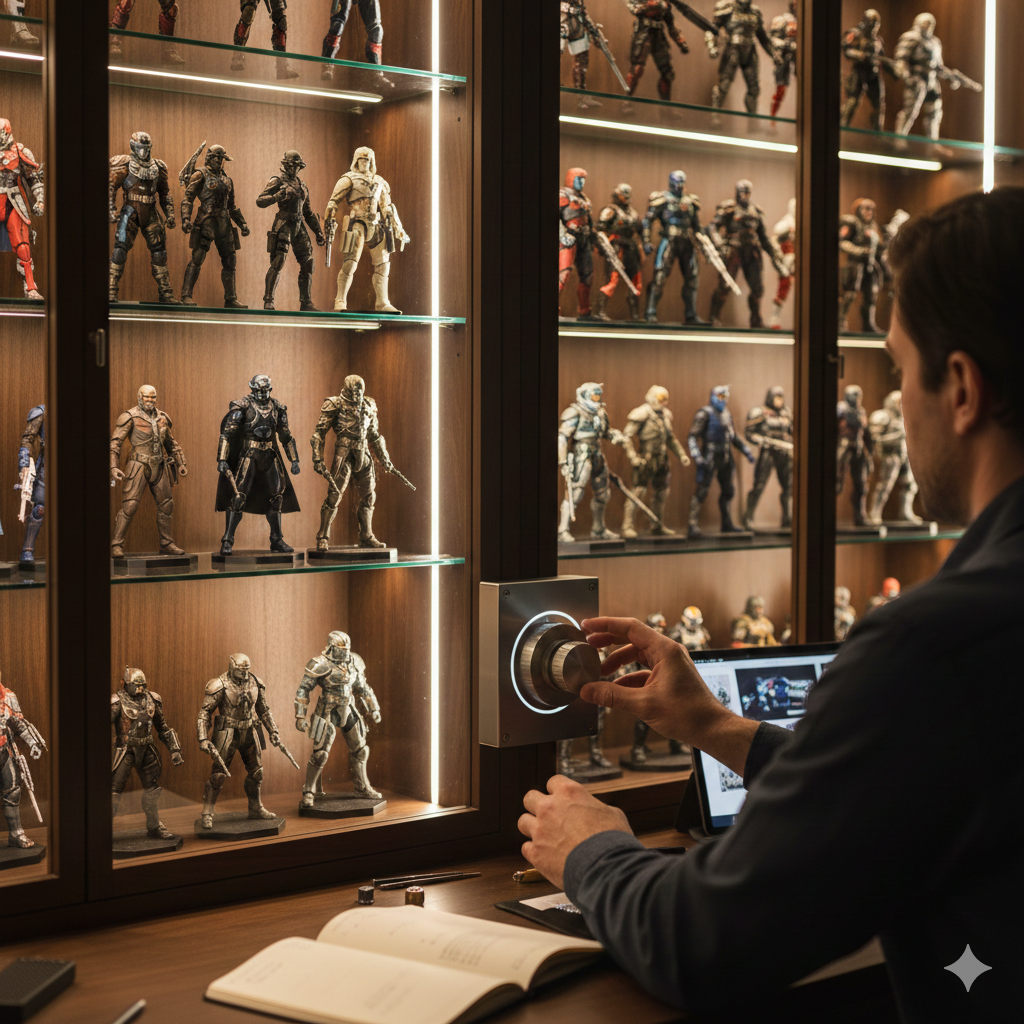
Where Collectors Should Be Extra Cautious
Some situations deserve more skepticism than others. Be especially careful when:
- buying from anonymous marketplace sellers with little feedback
- shopping for expensive older figures at unusually low prices
- browsing convention tables with no packaging or origin details
- purchasing popular characters that are heavily bootlegged
- importing figures from listings that avoid brand names entirely
Prize figures can also be copied, but premium scale figures, sought-after bunny figures, and high-demand fan-favorite characters are often the most tempting targets for counterfeit production. For shoppers exploring this further, see collectible statues. For shoppers exploring this further, see where to buy authentic anime figures. For shoppers exploring this further, see shop authentic anime figures.
Quick Checklist: Bootleg vs Authentic Anime Figures
Before you commit, run through this short comparison:
- Is the price consistent with the normal market range?
- Do sculpt details match official photos closely?
- Are paint lines clean and colors accurate?
- Does the packaging look sharp, sturdy, and correctly branded?
- Can the manufacturer and release details be verified?
- Is the seller willing to show real close-up photos?
- Does the figure appear well assembled and stable?
If several answers come back negative, move on. There will always be another listing. Regret costs more than patience in this hobby.
Final Thoughts
The easiest way to avoid disappointment is to treat every uncertain listing like a comparison exercise rather than an impulse buy. Once you know the common differences in price, sculpt, paint, packaging, and seller behavior, spotting a bootleg anime figure becomes much easier.
Collectors do not need to be paranoid, but they should be picky. A careful side-by-side mindset is the best defense against counterfeits, and it saves money for the pieces that are actually worth displaying.
Comments