
Anime Figure Stands Explained: Which Type Helps Most With Dynamic Poses and Stability
Anime figure stands vary by support style, and the right choice depends on whether you need a cleaner display, extra stability, or real help holding up a dynamic pose. In most cases, a wide base stand works best for balanced static figures, while support arms, waist clips, and rod-style aftermarket supports are better when a figure leans, lifts off the ground, or puts too much stress on one small contact point.
Collectors often think of an anime figure stand as just the plastic base in the box, but that is only one type of support. For shoppers exploring this further, see figure accessories and parts. A proper anime figure stand base can improve presentation, reduce wobble, and keep a display safer over time, especially when the sculpt uses dramatic movement, long effect parts, or a narrow point of contact.
Quick Answer: Which Stand Type Helps Most?
If your figure is already balanced and just needs a neat display platform, the included base stand is usually enough. If the figure tilts forward, leans over time, or uses a flying or action-heavy pose, a support arm or rod support is usually the better answer because it adds targeted reinforcement where the weight actually needs help.
Here is the practical rule:
- Base stand: best for normal upright figures with decent balance
- Support arm: best for airborne, jumping, or one-leg poses
- Waist clip stand: best for lightweight action-style figures that need adjustable mid-body support
- Rod support: best for correcting lean or discreetly helping a figure from behind
- Aftermarket support: best when the included anime figure display stand looks good but does not provide enough stability
What Anime Figure Stands Actually Do
Anime figure stands do two jobs at once: they improve display presentation and they protect stability. That difference matters because not every unstable figure needs the same fix.
A base stand spreads weight across a larger footprint. A support arm shifts strain away from a weak contact point. A rod support can reduce long-term leaning by taking pressure off ankles, pegs, or hair-trigger balance points. In other words, the best figure support stand is the one solving the specific balance problem your figure has, not the one with the fanciest design.
For collectors, this matters most in three situations:
1. Dynamic pose figures that have motion, jumping, twisting, or effect-heavy sculpting 2. Leaning figures that slowly drift because of weight distribution, heat, or softer material parts 3. Display-sensitive figures where you want support without making the stand visually distracting
wp:image {“id”:67666,”sizeSlug”:”full”,”linkDestination”:”none”}
/wp:image
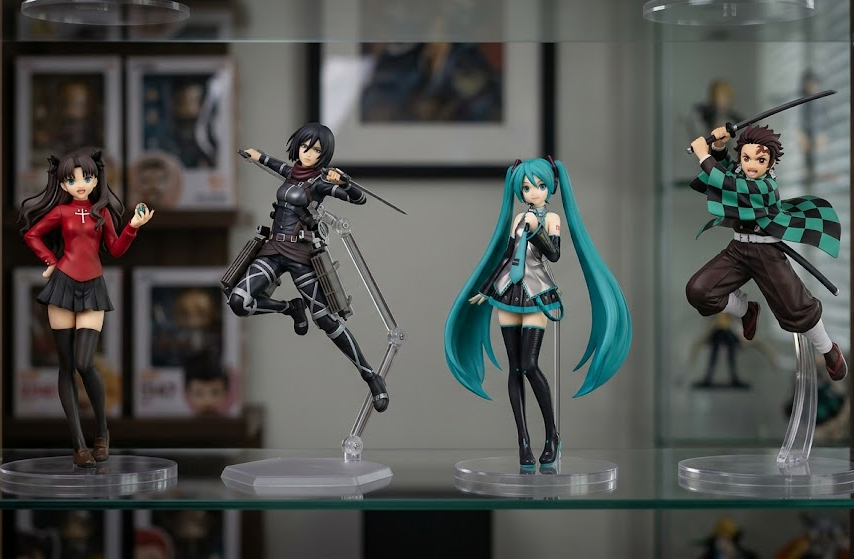
Common Stand Types: Base Stands, Support Arms, Waist Clips, and Rod Supports
Base Stands
A base stand is the most familiar option. It is usually included with scale figures, prize figures, or posed display pieces and may come as a round, hexagonal, or custom-shaped platform. A good anime figure stand base keeps the figure centered and adds visual polish, but it does not always solve real support problems if the sculpt is badly balanced. For shoppers exploring this further, see figure stands vs risers.
Best for:
- standard standing figures
- museum-style display presentation
- collectors who want a clean, official look
Less ideal for:
- off-balance action poses
- figures with extended limbs or heavy effect parts
- figures that already lean even when fully seated on the base
Support Arms
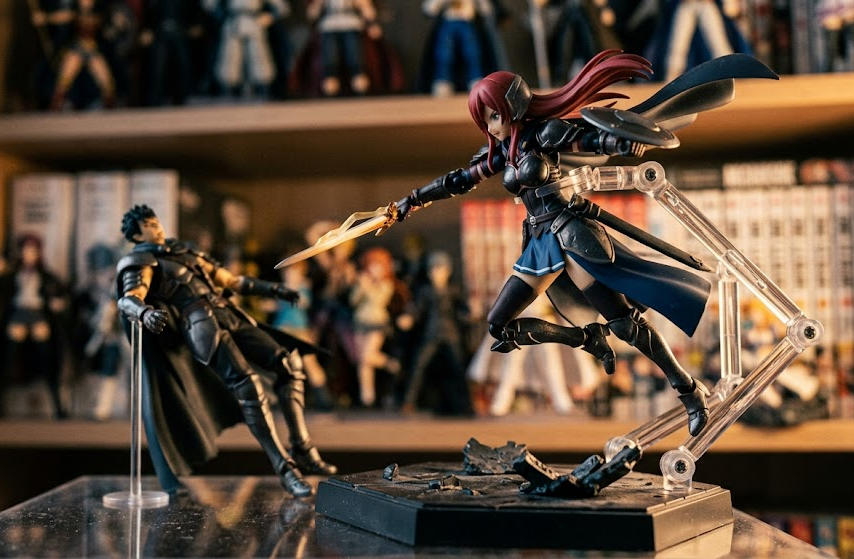
Support arms are one of the best choices for a dynamic pose figure stand. They usually connect from a base to the figure at the back, lower torso, or effect part, helping distribute weight away from a fragile peg or a single foot. This is why many high-motion action figures and some scale pieces use them. For shoppers exploring this further, see action figures.
Best for:
- jumping or flying poses
- one-foot contact poses
- dramatic action sculpts with forward reach or twist
Watch out for:
- visible hardware that can affect presentation
- pressure points if the arm is tightened too aggressively
- poor arm placement that supports the wrong part of the figure
Waist Clip Stands
Waist clip stands are more common in action figure lines, but they can still be useful for lighter anime figures or articulated display pieces. A waist clip gives adjustable support around the midsection, making it useful when the pose changes often or when you need a flexible action figure stand that can be repositioned.
Best for:
- lightweight figures
- articulated or poseable figures
- temporary support while testing display arrangements
Less ideal for:
- delicate paint finishes if the clip is too tight
- larger scale figures with more weight
- collectors who want support hidden as much as possible
Rod Supports
Rod supports are often the quiet fix for anime figure stability problems. Instead of dominating the display, they brace the figure from the back, under a cape, beneath hair, or near the hips. They are especially useful when a figure is not supposed to look airborne but keeps leaning over time.
Best for:
- leaning figures
- subtle long-term reinforcement
- display setups where visibility matters
Watch out for:
- poor height matching
- unstable placement on soft or uneven shelves
- using too much force on one small contact area
Stand-Type Comparison Table
| Stand type | Main job | Best use case | Visibility | Stability help | Best for dynamic poses? | | — | — | — | — | — | — | | Base stand | Footprint and presentation | Standard upright display | Low to medium | Moderate | Sometimes | | Support arm | Targeted load support | Airborne or one-leg poses | Medium | High | Yes | | Waist clip | Adjustable mid-body hold | Poseable or lighter figures | Medium | Moderate | Sometimes | | Rod support | Discreet anti-lean help | Leaning or back-heavy figures | Low | High | Limited | | Aftermarket support | Problem-solving upgrade | When included base is not enough | Varies | Varies from moderate to high | Often |
Which Stand Type Suits Dynamic Poses vs. Leaning Figures?
The short answer is simple: dynamic poses usually need upward or directional support, while leaning figures usually need corrective or relieving support.
Best Stand for Dynamic Poses
If your figure is leaping, floating, twisting, or supported by only one foot, a support arm is usually the strongest option. That is because the problem is not just broad stability; it is load direction. A standard base may keep the figure upright for now, but a well-placed arm helps carry the off-center weight that would otherwise stress the peg or the ankle.
A dynamic pose figure stand should ideally:
- support weight from behind or below the center of mass
- reduce pressure on narrow connection points
- avoid forcing the figure into a slightly unnatural angle
- remain stable even when the shelf is lightly bumped
Best Stand for Leaning Figures
If your figure was originally fine but gradually tilts, the best answer is often a rod support or another discreet aftermarket support. Leaning is often a long-term stress issue, not a sudden balance issue. A wide base alone may not reverse that, but a gentle secondary support can reduce ongoing strain.
A figure that leans may benefit from:
- a rear support rod behind the torso or hair mass
- a base with better contact and less wobble
- reduced heat exposure and a flatter display surface
- redistributing accessories or effect parts if possible
When the Included Base Is Enough
The included anime figure display stand is enough when all of these are true:
- the figure sits flush and stable with no rocking
- the contact points are not under obvious strain
- the pose is mostly vertical or well-centered
- the figure does not worsen over time
If even one of those fails, an aftermarket support may be more useful than continuing to trust the stock base out of habit.
wp:image {“id”:67667,”sizeSlug”:”full”,”linkDestination”:”none”}
/wp:image
How to Improve Stability Without Damaging the Figure
Collectors usually get into trouble when they try to fix a balance problem too aggressively. More force is not the same as better support.
Use these setup tips instead:
- Support the weight, do not clamp the figure hard. A gentle contact point is safer than a tight squeeze.
- Choose clear supports when possible. Transparent parts usually blend into the display better.
- Check shelf level first. A slight tilt in the shelf can make a decent stand look worse than it is.
- Keep figures away from heat and direct sunlight. Heat can worsen leaning and soften stressed plastic over time.
- Recheck the figure every few weeks if it has a dramatic pose. Early correction is easier than fixing a severe lean later.
- Use soft contact points or padded interfaces if a support touches painted areas. This reduces the chance of rub marks.
What you should not do:
- force pegs into misaligned holes
- wedge hard objects against painted surfaces
- over-tighten clips around delicate torso or waist areas
- assume an unstable figure only needs a heavier base if the real issue is off-center weight
When to Replace or Upgrade the Included Base
Not every included base is bad, but some are built more for presentation than reinforcement. Replacing or upgrading makes sense when the official stand looks nice but does not match the figure’s actual balance needs.
Upgrade the base or support setup when:
- the figure rocks even on a flat shelf
- the peg fit feels shallow or inconsistent
- the sculpt uses a wide-reaching action pose
- the figure has already started leaning
- you are displaying in a busier shelf where small bumps happen more often
Aftermarket support is especially useful for collectors who rotate displays often. The official base may be fine in a static cabinet, but a more secure support setup can make a big difference on open shelving or in rooms with vibration, temperature swings, or frequent handling. For shoppers exploring this further, see replace a missing figure stand.
Display Tips for Better Balance and Cleaner Presentation
A stand should help the figure disappear into the display, not distract from it. The best anime figure stands create stability while keeping attention on the sculpt. For shoppers exploring this further, see stands and accessories.
For a cleaner setup:
- match the stand size to the figure instead of oversizing everything
- hide rod supports behind hair, capes, or effect parts where possible
- keep clear acrylic supports clean so they do not turn cloudy or dusty
- avoid overcrowding nearby figures that can bump or visually block support hardware
- test the viewing angle before final placement because some support arms look far less obvious from the front
Best Use Cases by Figure Type
- Scale figure with balanced standing pose: included base stand first
- Prize figure with mild wobble: wider base or simple aftermarket support
- Action-heavy figure with jump or flight effect: support arm
- Figure slowly leaning backward or sideways: rod support
- Poseable display piece you adjust often: waist clip or adjustable support stand
Summary Takeaway
Anime figure stands are not one single product category. They are a set of support tools, and the best choice depends on the problem you are solving. Use a base stand for clean, balanced presentation, a support arm for dynamic poses, and a rod-style aftermarket support when the real issue is long-term leaning and stability.
FAQ
What kind of stand is best for anime figures?
For normal upright figures, a stable base stand is usually enough. For dynamic or off-balance poses, support arms and targeted aftermarket supports usually work better because they help where the figure’s weight actually needs reinforcement.
Why do some anime figures need support arms?
Some figures put too much strain on one foot, one peg, or a narrow contact point. A support arm reduces that stress and makes a dynamic pose safer to display long term.
Can aftermarket stands help with leaning figures?
Yes. A well-placed aftermarket support can take pressure off stressed parts and slow or correct visible leaning, especially when the included base is stable but not supportive enough by itself.
Do display stands damage figures?
Not when they are used correctly. Problems usually come from over-tight clips, rough contact points, or forcing a support against painted surfaces instead of gently carrying weight.
Comments